Get in TouchLet Our Family Help Yours
Whether it's a routine check-up or an emergency repair, Mazzer Pro Services is the name your neighbors trust. Schedule an appointment today.


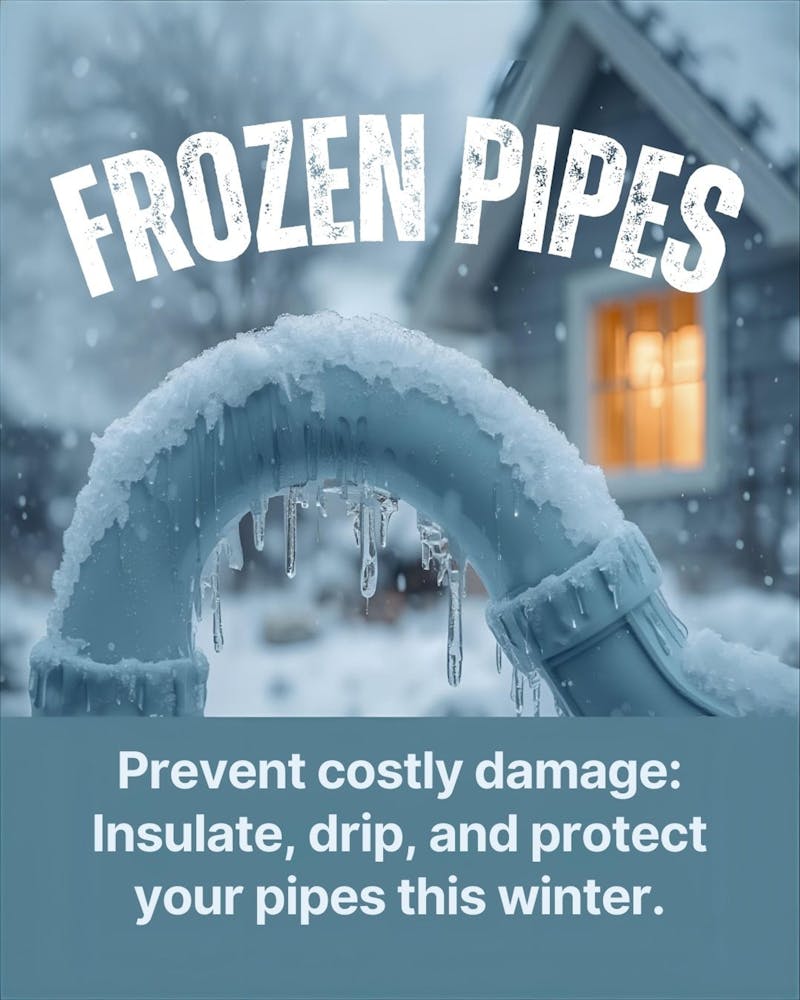
Frozen pipes are one of the most common—and costly—winter plumbing problems. When temperatures drop, water inside your pipes can freeze, expand, and cause pipes to crack or burst, leading to water damage and expensive repairs. The good news? With a few proactive steps, you can greatly reduce the risk of frozen pipes.
Below are practical, homeowner-friendly tips to help protect your plumbing during cold weather.
Pipes freeze when exposed to temperatures below 32°F, especially in areas with little insulation or heat. Common trouble spots include:
Basements and crawl spaces
Attics
Garages
Exterior walls
Outdoor hose bibs
Understanding where your home is most vulnerable is the first step in prevention.
Pipe insulation is one of the easiest and most effective ways to prevent freezing. Foam pipe sleeves or heat tape can be installed on exposed pipes in unheated or poorly insulated areas.
Focus on:
Pipes in basements, crawl spaces, and attics
Pipes along exterior walls
Garage plumbing
Insulation helps retain heat and keeps cold air away from your pipes.
Cold air sneaking into your home can quickly freeze nearby pipes. Check for gaps or cracks around:
Windows and doors
Foundation walls
Where pipes enter your home
Use caulk or spray foam to seal openings and keep cold drafts out.
Even if you’re away, keep your thermostat set to at least 55°F. Turning the heat too low—or off completely—can allow pipes to freeze, especially overnight.
If you plan to be away for an extended period, ask someone to check on your home or consider winterizing your plumbing.
Allowing a faucet to drip slightly can relieve pressure in the pipes and keep water moving, making it less likely to freeze.
Tip: Focus on faucets connected to pipes along exterior walls.
On especially cold nights, open cabinet doors under sinks to allow warm air to circulate around the plumbing. This is especially helpful for kitchen and bathroom sinks located on exterior walls.
Outdoor plumbing is highly vulnerable to freezing temperatures.
Make sure to:
Disconnect garden hoses
Shut off outdoor water supply lines if possible
Drain and winterize outdoor faucets
This simple step can prevent frozen hose bibs and damage inside your home.
If a pipe does freeze or burst, knowing how to quickly shut off your water can minimize damage. Make sure everyone in your household knows the location of the main shut-off valve.
If you suspect a frozen pipe:
Turn off the water supply
Open the affected faucet
Gently warm the pipe using a hair dryer or space heater (never use an open flame)
Call a professional plumber if you’re unsure or notice leaks
Preventing frozen pipes is all about preparation. A little effort now—insulating pipes, sealing drafts, and maintaining heat—can save you from major headaches and costly repairs later.
If you’re unsure whether your plumbing is winter-ready, a professional inspection can give you peace of mind and help protect your home all season long.

Whether it's a routine check-up or an emergency repair, Mazzer Pro Services is the name your neighbors trust. Schedule an appointment today.